 Initiative



What Is an Invasive Species?
After habitat loss, invasive species are the second largest threat to biodiversity worldwide. In simple terms, an invasive species is any plant, animal, or organism that is not native to a specific area and causes harm once introduced. These species often outcompete native plants and animals because they evolved in different ecosystems and arrive without the natural predators or controls that would normally keep them in check.
In Alberta, invasive species are managed under legislation such as the Fisheries Act and the Weed Control Act. Their classification depends on how widespread they are and how aggressively they spread.
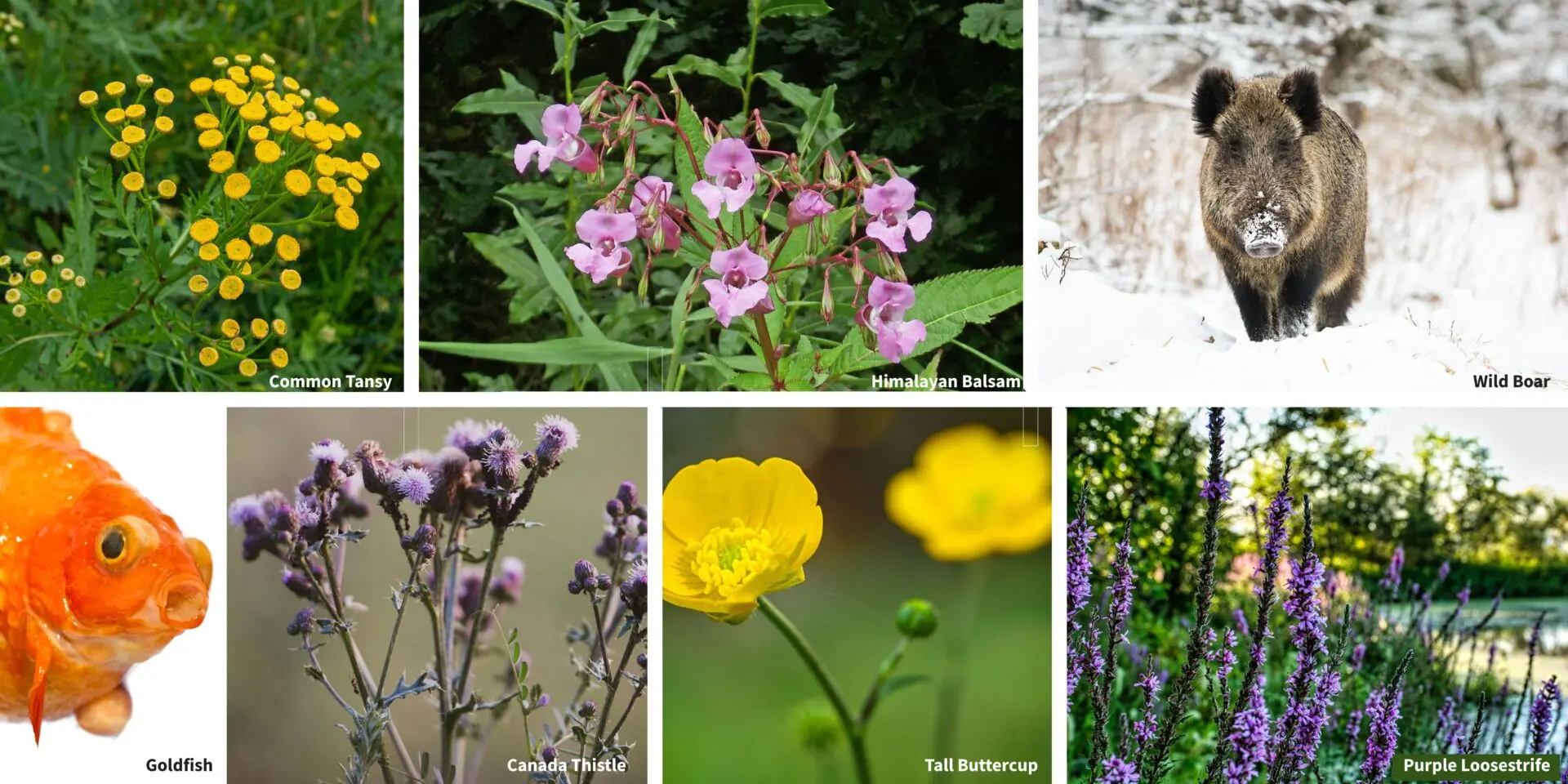
Prohibited noxious weeds represent the highest level of concern. These species must be destroyed wherever they are found because they are either not yet established in Alberta or exist only in small, manageable populations. Examples include brown knapweed, Himalayan balsam, orange hawkweed, and purple loosestrife. Early detection and rapid response are critical for these species, as eradication is still possible.
Noxious weeds are more widely distributed across the province. While complete eradication is no longer realistic, these species must still be controlled to limit their spread and reduce their impact. Municipalities play a key role in managing these plants through local control programs. Common examples include baby’s breath, Dalmatian toadflax, oxeye daisy, and woolly burdock.
Aquatic invasive species pose a unique and often more serious challenge, because they spread through water systems, rivers and lakes can quickly carry them far beyond their original point of introduction. These species include not only plants, but also fish, invertebrates, and even diseases. Goldfish, quagga mussels, Eurasian watermilfoil, and whirling disease are all examples that highlight how quickly aquatic ecosystems can be disrupted.
The impacts of invasive species extend well beyond the environment. In agriculture, they compete with crops and forage for water, nutrients, and space, leading to reduced yields and productivity. Some invasive species can also introduce or spread diseases that affect livestock and wildlife. These combined pressures can significantly disrupt grazing systems and overall land health. Economically, the cost is substantial, with invasive species contributing to an estimated $2 billion in annual impacts.
However, it is not all doom and gloom! There are effective ways to manage invasive species, and prevention remains the most important strategy. For landowners and land managers, regular monitoring throughout the growing season is essential. Catching a problem early can mean the difference between a manageable patch and a long-term infestation.
Taking an IPM approach may include:
- Scouting to identify problem areas and thresholds to determine a control approach
- Mowing field edges or patches
- Using natural pest species or working to establish native or dense pastures and crops
- Using crop rotations to minimize the threat or invasives establishing
- Rotating pesticide/herbicide/fungicide groups from application to application
- Manual controls like picking patches
- Grazing strategies
- Call in experts for support
Other Ways to Help:
- Reporting sightings; taking clear photos and recording where they were found, including directions of how to get there
- Stick to trails when using public lands
- Clean your boots, clothes, pets and off-highway vehicles between trips
- Learn which species are invasive and avoid picking them for flower bouquets/moving them around
- Be mindful of what is in a wildflower seed mix or seeds available for purchase and know what you’re planting
- Work with your neighbor and municipality to manage infestations in your area/on your land
- Clean or brush off equipment between fields to prevent spread from your land or municipal roadways
- Always be on the lookout for unusual species wherever you are
- Share information about invasive species with friends and neighbors
Reporting invasive species is another critical piece of the puzzle. If you come across a suspicious plant or organism, taking a clear photo and noting the location can make a big difference. This information can be shared with your local agricultural fieldman or municipal office for follow-up. For those who prefer a digital option, tools like the EDDMaps app allow users to submit sightings directly, helping authorities respond more quickly and effectively.
Everyone has a role to play in preventing the spread of invasive species. Simple actions, such as staying on designated trails, cleaning boots and equipment between locations, and learning to recognize invasive plants, can go a long way. Being mindful of seed mixes, avoiding the movement of plants, and working collaboratively with neighbours and municipalities all contribute to stronger, more coordinated control efforts. Invasive species management is a shared responsibility. With awareness, early action, and practical management strategies, it is possible to reduce their impact and protect Alberta’s landscapes for the future.
In the spring of 2026, the Environmental Farm Plan Program was proud to host a series of webinars focused on invasive species in Alberta. Each webinar recording is available on the EFP YouTube channel. Each presentation includes contact information for experts across the province, including Hannah Mckenzie (Government of Alberta Wild Boar Program), Karen Wickerson (Government of Alberta Rat Program) and George Bloom (Alberta Invasive Species Council).
Alberta EFP Invasive Species Webinar Series (2026):