CRSB Certification is achieved through an independent on-farm assessment during which an operation must demonstrate through interviews, observation, and a review of records and documentation, at least Achievement-level performance for all indicators in the CRSB Sustainable Beef Production Standard.
If you’ve completed an Alberta Environmental Farm Plan (EFP), you’ve already done work that supports your preparedness for a CRSB assessment. The EFP asks producers to assess their own operation, identify risks, document practices, and take action. That process can contribute valuable information and supporting records towards what a CRSB assessor will be looking for. While an EFP does not demonstrate compliance with all CRSB Certified requirements, many of the plans, records and management activities developed through the EFP process align well with the indicators assessed during certification.
Here are some examples of how your EFP work may support your CRSB Certified assessment:
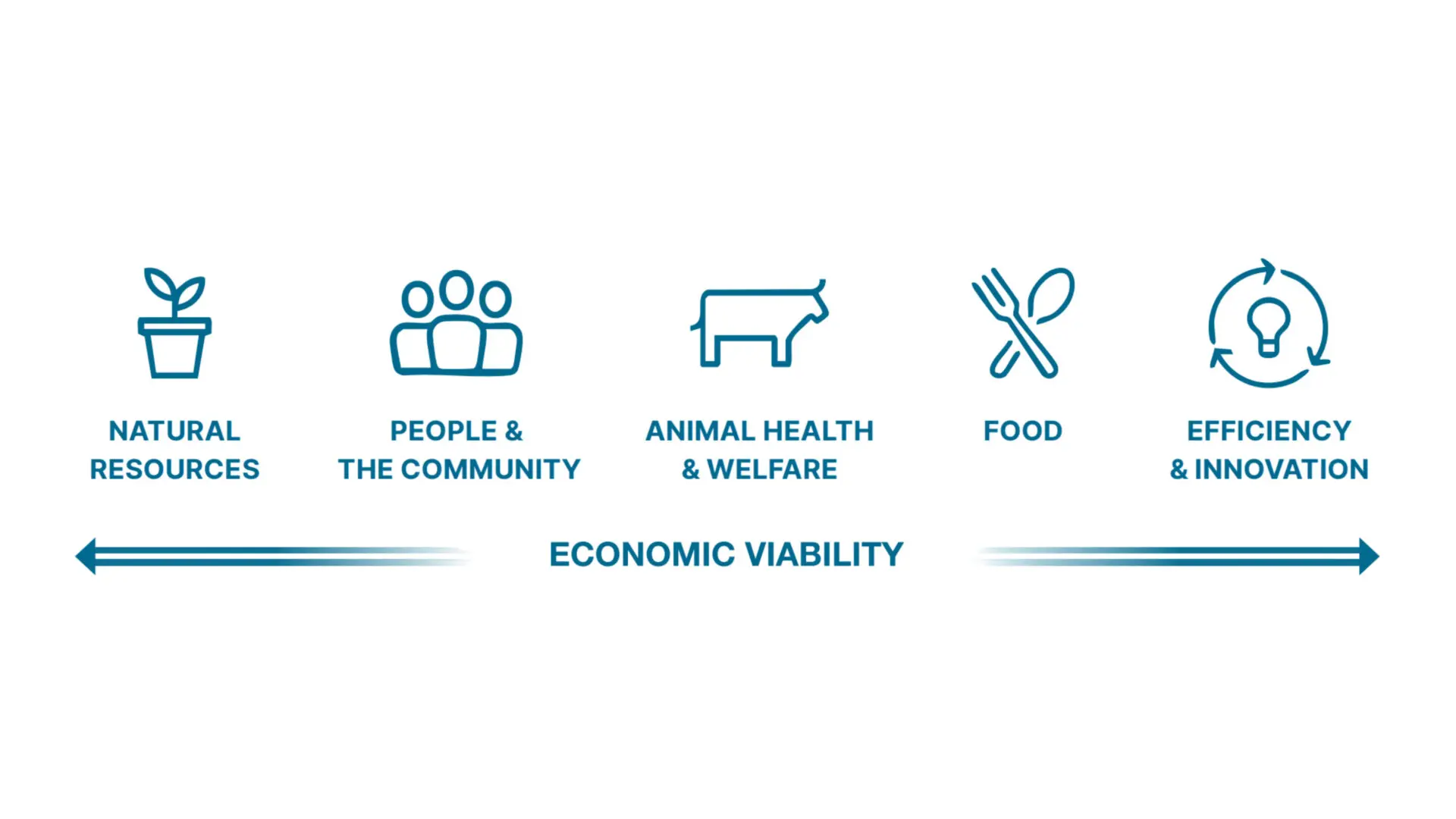
Natural Resources recognizes how you manage the land, water, air, and ecosystems on your operation. Your grazing management plan and pasture records are relevant to indicators on watershed health, soil health, and grassland management. Your nutrient management plan and soil test results support the soil health indicator. If you fenced off a wetland, installed a remote watering system, or adjusted your stocking rate based on your EFP, those actions and any records around them help demonstrate the sustainability outcomes your CRSB assessor is looking for. For feedlot operators, your dust and odour management practices noted in your EFP may also carry over to the air quality indicator.
People and the Community focuses on how your operation treats the people who work on it and the community around it. Your worker safety documentation, training records, and any safety policies you put in place and documented through the EFP process may provide evidence during your CRSB assessment.
Animal Health and Welfare covers a range of practices related to the care and handling of cattle on your operation. Within this, your disposal records for medications, sharps, and veterinary products from your EFP may support parts of this principle, along with other animal health and welfare records.
Food is about the role your operation plays in producing safe, quality beef. References and documentation in your EFP to an on-farm food safety program, drug withdrawal records, and broken needle records are examples that may be reviewed during a CRSB assessment.
Efficiency and Innovation is about reducing waste, using energy responsibly, and continuously improving. Your waste reduction and recycling practices, energy and fuel records, and pesticide storage and disposal documentation from your EFP may support indicators in this pillar.
Completing an EFP can be a strong starting point for preparing for CRSB Certification because it helps organize records, identify management strengths, and document activities already happening on your operation. Producers considering CRSB Certification are encouraged to review the CRSB Sustainable Beef Production Standard to understand the full set of certification requirements ahead of an on-farm assessment.
Questions about what to prepare? Reach out to your certification body or visit crsbcertified.ca.
Prepared by the Canadian Roundtable for Sustainable Beef




 Initiative